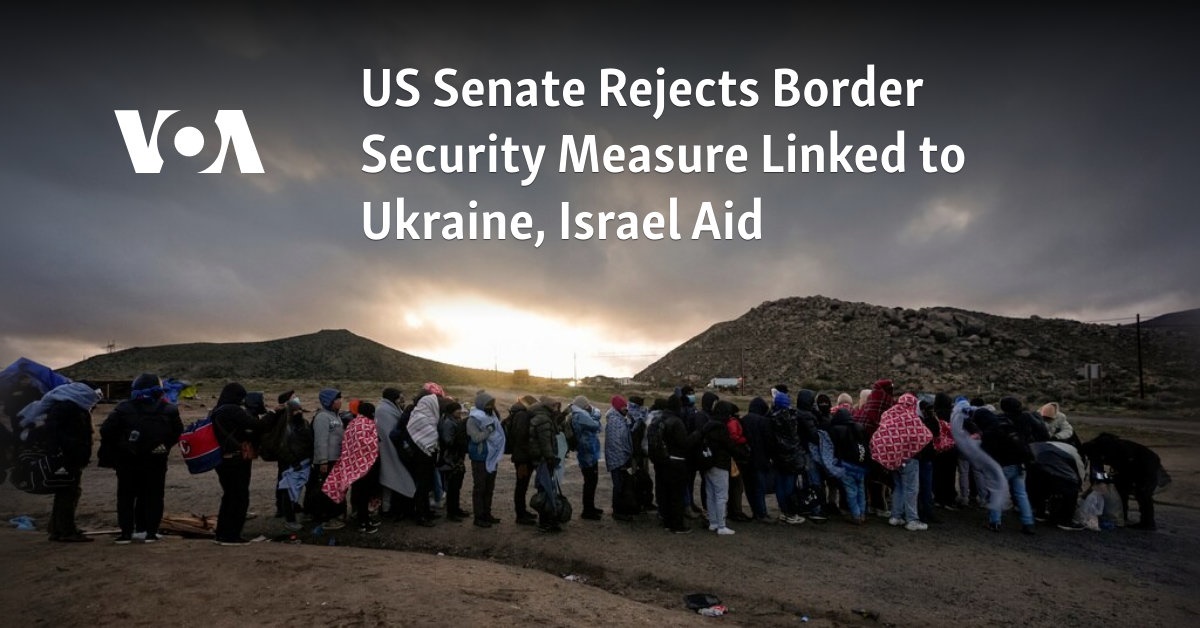
Understanding Ukraine-Related Measures: Sanctions and Regulatory Framework
The situation in Ukraine has drawn considerable international attention, leading to a variety of Ukraine-related measures, primarily focused on sanctions and regulatory frameworks. These actions aim to address the geopolitical crises in the region and are pivotal for understanding the implications for global politics and economy. For a deeper exploration of the specific sanctions and regulatory context, you can refer to this detailed information on Ukraine-related measures https://gonzalezreeds.com/wp-content/pgs/ukraine-related-measures-sanctions-and-regulatory-framework.html.
Background on Ukraine’s Political Situation
Ukraine has been at the center of international conflict since 2014, particularly following the annexation of Crimea by Russia and the subsequent conflict in Eastern Ukraine. The instability in the region has raised concerns regarding sovereignty, security, and human rights. As a result, many countries and international organizations have implemented various measures to respond to these events and to support Ukraine through difficult times.
Types of Ukraine-Related Measures
Ukraine-related measures primarily consist of sanctions, economic assistance, humanitarian aid, and diplomatic support. Below, we shall elaborate on these varied approaches:
Sanctions
Sanctions are perhaps the most well-known measures taken in response to the situation in Ukraine. These are typically imposed by the United States, the European Union, and other nations against individuals, organizations, and sectors linked to the Russian government and other actors contributing to the conflict. Sanctions can include asset freezes, travel bans, and restrictions on trade.
Key Sanctions Imposed
- Sectoral Sanctions: Measures targeting specific sectors such as finance, energy, and military.
- Individual Sanctions: Asset freezes and travel bans on key political figures and oligarchs associated with the conflict.
- Trade Restrictions: Bans on exports, particularly in areas like technology and military supplies.
Economic Assistance
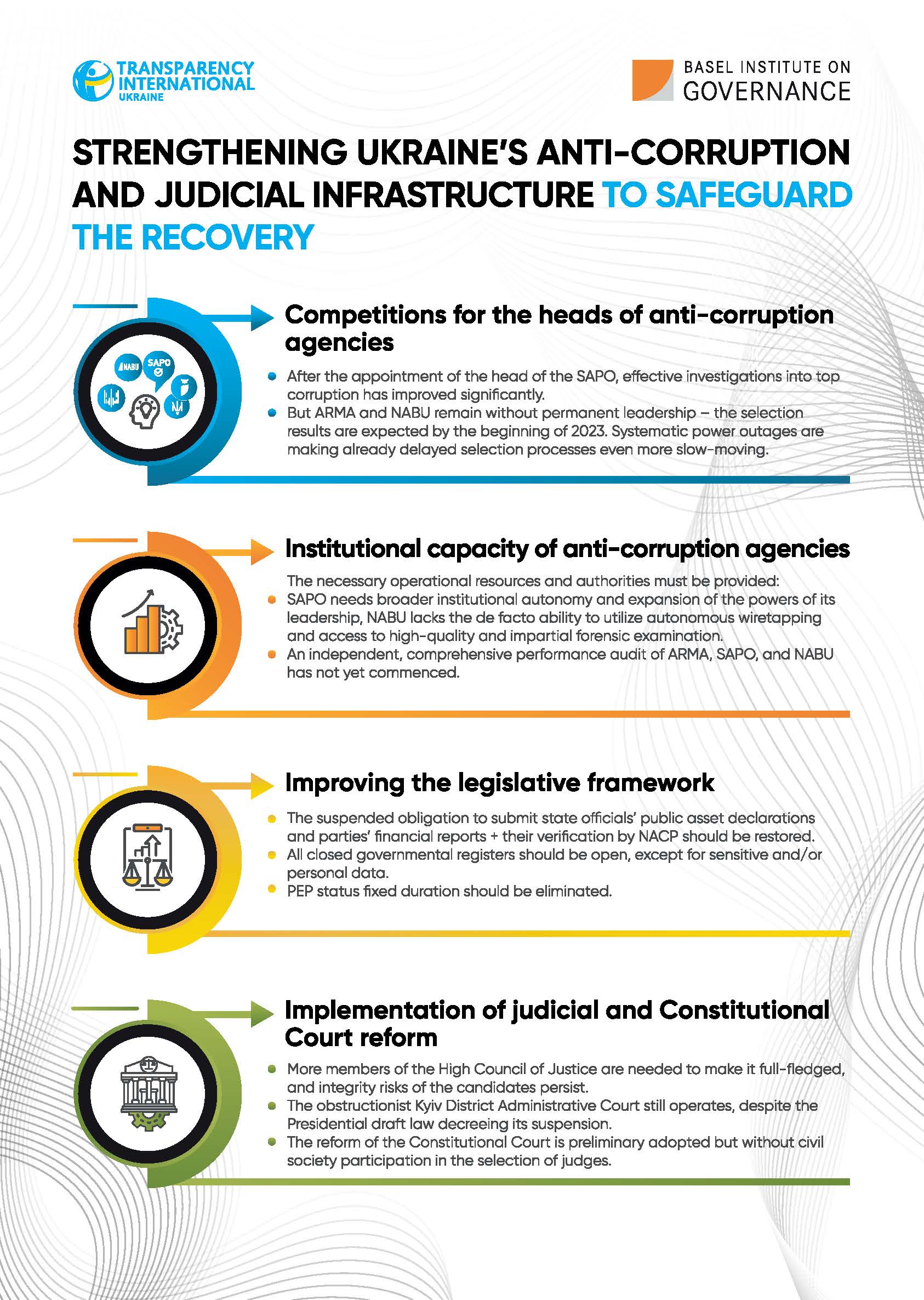
Numerous countries and organizations have provided financial support to Ukraine to help stabilize its economy and strengthen its governance. This includes direct budgetary support as well as funding for specific projects aimed at reforming various sectors, including healthcare, education, and infrastructure.
Humanitarian Aid
Aside from economic assistance, there has been substantial humanitarian aid directed towards addressing the needs of those affected by the conflict. This includes funding for food, shelter, health services, and psychological support to internally displaced individuals and refugees.
Diplomatic Support
Diplomatic measures have also played a crucial role in Ukraine-related actions. Various international organizations, including the United Nations and NATO, have expressed support for Ukraine’s sovereignty and territorial integrity. Furthermore, numerous nations have engaged in diplomatic negotiations aimed at de-escalating tensions and fostering a peaceful resolution to the ongoing crisis.
Implications of Ukraine-Related Measures
The implementation of these measures carries significant implications for international relations, trade policies, and security frameworks. For instance, sanctions have led to heightened tensions between Russia and the West, impacting global energy markets and trade relations. The ongoing support for Ukraine from various nations serves as a signal of solidarity and a response to aggression, influencing geopolitical alliances and security postures.
The Impact of Sanctions
The long-term effectiveness of sanctions remains debated. While they aim to exert pressure on the offending party, their actual impact on changing behavior can vary greatly. Some analyses suggest that sanction
/countries/india/flood-safety-tiles-6-05.jpg?sfvrsn=85f523ef_4)
s have inflicted economic pain on Russia, while others argue that they have contributed to a rally-around-the-flag effect, uniting domestic support for the government in times of external pressure.
Conclusion
In conclusion, Ukraine-related measures represent a multifaceted approach to a complex geopolitical issue. Through sanctions, economic assistance, humanitarian aid, and diplomatic support, the international community seeks to address and mitigate the ongoing challenges faced by Ukraine. Understanding these measures is crucial for comprehending the broader implications for international relations and global stability as a whole.
As the situation evolves, it will be essential for stakeholders to continue monitoring the impacts of these measures and to adapt strategies that support an enduring solution for peace and stability in Ukraine and the surrounding region.